

How does one develop a brand?
Honestly? I don’t think anyone really knows. I mean, sure, some people say they do—and those few who actually have it figured out usually get paid well for it.
Building a brand is hard. A lot of them never make it past that initial two-year grind, and fail to truly profitable green areas. But then there are the ones that do figure it out—the brands that build a loyal following, grow like crazy, and keep our economy spinning. So what’s the secret? If only it were that simple.
Here are some things I think can keep a brand alive and thrive:
Consistency In What You Say You Do and What You Deliver
Branding isn’t just about a logo or a catchy tagline—it’s about showing up consistently across every touchpoint. Customer service, products, messaging, imagery, the overall vibe—it all has to align. When your brand looks and feels the same everywhere, it builds familiarity. And familiarity? That leads to trust.
When a brand is always on point, whether it’s on a website, social media, or even internal emails, people start to recognize and connect with it and then the product and reviews are all on point then that consistency makes your business more memorable and reinforces what you stand for. When your messaging and visuals actually match the quality of your product the magic happens.
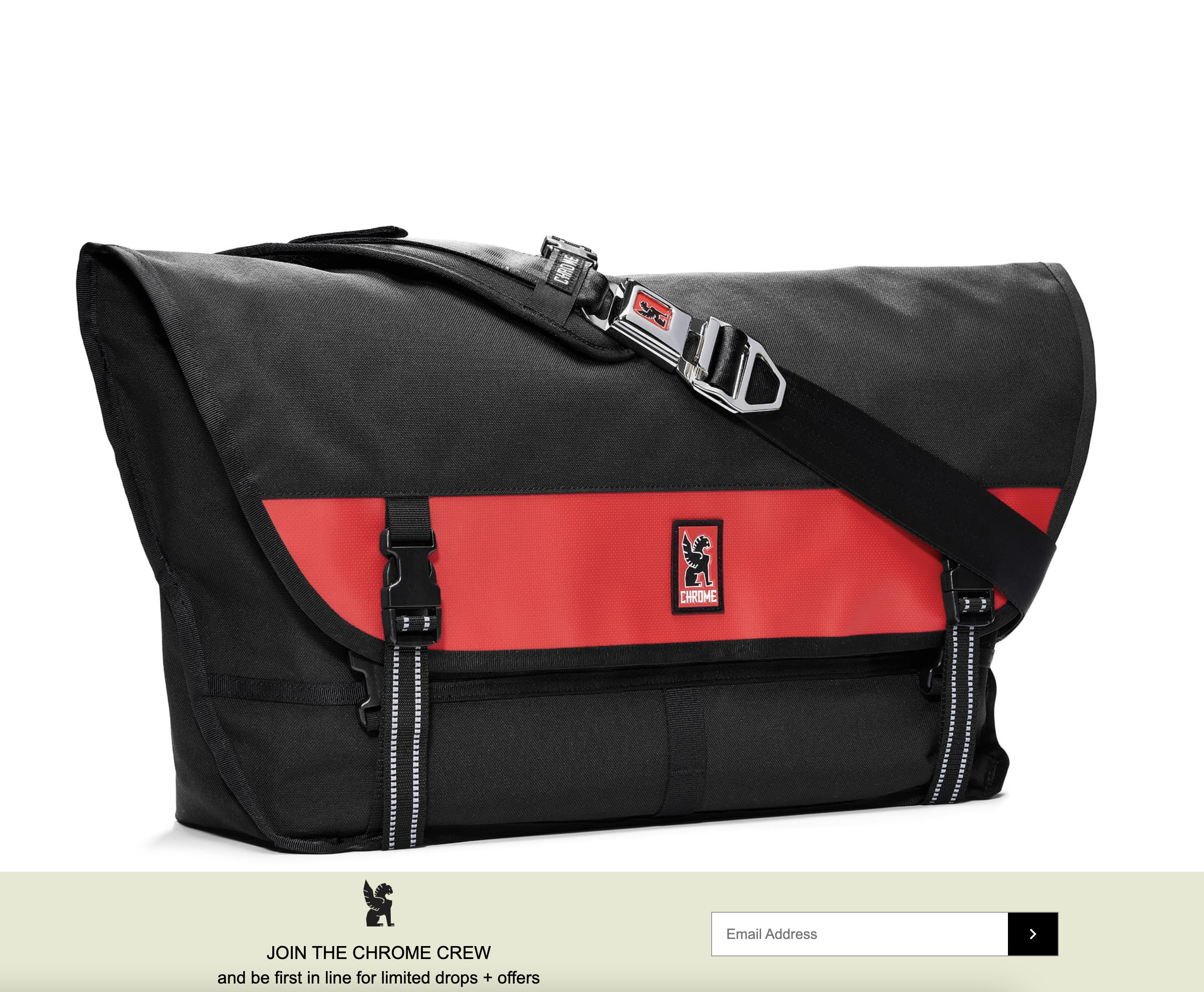
I’ve got brand crushes all over the place, but one that really stands out for me is Chrome Cycling Bags. These bags are tough. Back when I used to ride through the streets of Seattle in the pouring rain, my Chrome bag not only survived the elements but kept everything I owned bone dry. That’s the kind of brand consistency that sticks—great product, great style, and branding that all syncs up perfectly.
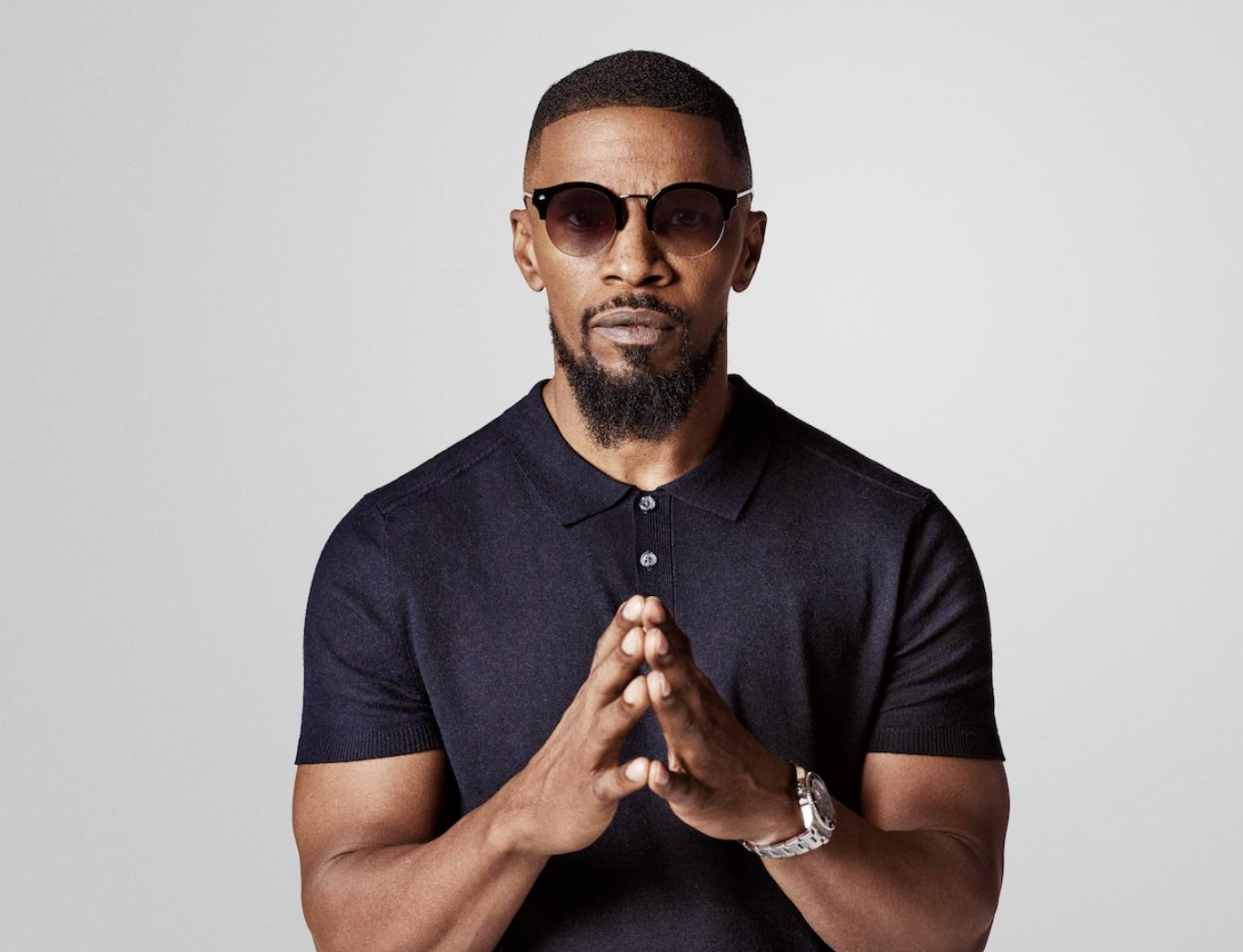
On the flip side, when a brand sends mixed messages or visuals don’t align with the product, credibility takes a hit. A great example? Jamie Foxx’s launch of the sunglasses brand Privé Revaux.
The idea started innocently enough—he tried on a $10 pair of gas station sunglasses, posted about them, and fans went wild asking where they could buy them. Inspired by the reaction, he shrugged and thought, Why not launch a line of affordable sunglasses? Easy enough, right?
What he didn’t anticipate was the weight of his own personal brand. Fans expected something with polish and quality—something that matched his high-caliber career. Instead, the sunglasses felt cheap, and people noticed. The brand didn’t live up to the image he had built, and that disconnect led to disappointment.
It’s a reminder that branding isn’t just about a good idea—it’s about alignment. When the product, message, and personality don’t match, even celebrity power can fall flat.
It's not what you say it's what THEY say
In The Brand Gap, Marty Neumeier lays out a simple but powerful truth—your brand isn’t what you say it is, it’s what they say it is. It’s a great read, and he drives home the importance of trust and audience perception in a way that sticks.
But what exactly does he mean by that? They say what it is? He’s talking about the long game of branding—the focus on product quality, relevance, and those subtle social cues that too many marketers (especially the number crunching khaki-clad ones) tend to overlook. Building a brand isn’t just about logos and taglines; it’s about carefully shaping how imagery, language, products, and services are actually received by the people who matter most—your audience. The goal is to build a brand so powerful that your audience markets the product for you. Just like I did with Chrome Bags. *wink
Evolving with the Market
Even the strongest brands need to evolve. Markets shift, consumer preferences change, and technology moves fast—if a brand stays stagnant, it risks becoming outdated or irrelevant.
A perfect example? Blockbuster. Back in the day, it was the place to rent movies. That bold blue-and-yellow logo was everywhere, the membership card felt almost like a badge of honor, and a Friday night movie run was a ritual. But then Netflix came along—first with DVDs by mail, then with streaming—and Blockbuster didn’t keep up.
It wasn’t that driving to the store was that inconvenient. The real game-changer? No late fees and unlimited access to a huge library of films. Blockbuster could have adapted, could have built its own streaming service—but it didn’t. And we all know how that turned out. Netflix changed how we consume media. The game-changer of the modern media world put the power of how much and when to watch in the control of the customer. It is probably one of the most significant media changes in the past 50 years and it's impact will be discussed for another 100 years.
So what’s the big takeaway here?
Branding isn’t just about hiring the best designer (though let’s be real, that definitely helps) or running flashy ad campaigns attracting eyeballs from around the internet. It’s about the impression your brand leaves on people. Do the messaging, visuals, product quality, and pricing all align? And while we’re at it—does your customer service back it all up? At the end of the day, you can't trick people into respecting your brand, you have to show them the real value of what you bring and the why behind why they should care about your product.